In industrial and logistics sites, a structural event puts at stake both the safety of the people working there and the continuity of production. Going back in and restarting safely depends on one question: is the structure damaged? BBOX 2.0 answers with measured data and a signed report, not with a visual assessment.
After an event the choice is immediate: stop or carry on
Precast industrial buildings, automated warehouses, continuous production lines: structures where an earthquake or an above-threshold event forces a decision with no time to wait. Without data, a precautionary shutdown tends to prevail, often longer than necessary. With continuous structural monitoring the decision rests on real measurements of how the structure responded, even before the inspection takes place.
In the 2012 Emilia earthquake, downtime cost more than the rubble.
With catastrophe insurance now mandatory, documenting the damage becomes a practical problem
Italian companies are required to insure buildings, plant and machinery against earthquakes, floods and landslides. The obligation stems from the 2024 Budget Law, with implementing rules set out in Ministerial Decree no. 18/2025; after a phase-in by company size and sector, it has applied since 31 March 2026, with only fishing and aquaculture extended to 31 December 2026.
Holding the policy, however, does not answer the question that matters after an event: how much it actually affected the structure, and what was already like that beforehand. A historical series of measurements and a signed report are the difference between damage that is documented and damage that still has to be proven.
A single hardware setup for the emergency and for long-term control
One system covers two needs: knowing immediately what happened after an event, and knowing the structure over time.
Deciding whether to stop or restart
Detecting how the structure responded during the earthquake and turning it into an outcome you can decide on within hours.
Accelerations, displacements and interstorey drift available quickly, with severity and location, to decide whether to stay in production or stop for more detailed investigation.
A timely reading avoids unnecessary precautionary shutdowns; on request, MOSI can produce a technical report on structural fitness for use after an earthquake, signed by a structural engineer.
The data directs inspections and repairs to where they are actually needed, with documentation that supports insurance and liability.
The building under control over the years
Following how the building behaves through the ordinary years, to catch degradation while correcting it is still cheap.
The behaviour of the structure is followed over time: changes in dynamic characteristics and mode shapes signal degradation, with the affected area indicated on the plan.
Early detection turns emergencies into scheduled work, reducing extraordinary costs and unplanned downtime.
Periodic reports build a verifiable record of the structure's condition year after year. Showing that a structure is sound is worth as much as finding a problem: it is the documentation you need when the building is insured, sold or pledged as collateral, and when your management of it has to be shown to third parties.
Not a stream of numbers, but a report you can decide on
What MOSI delivers is neither the dashboard nor the raw data, but a report interpreted and signed by a structural engineer, with a transparent methodology. It takes two forms, depending on the mode that produces it.
The post-event report gives a clear outcome, either no damage or damage with severity and location: it is the document the company uses to decide whether to stay in production, and the one it attaches for insurance and liability purposes.
The periodic SHM report does more than catch degradation early. It certifies the real condition of the structure over time with reliable data and builds a documented history of the building that no one-off inspection can provide.
Already in service on over 300,000 m² of industrial buildings
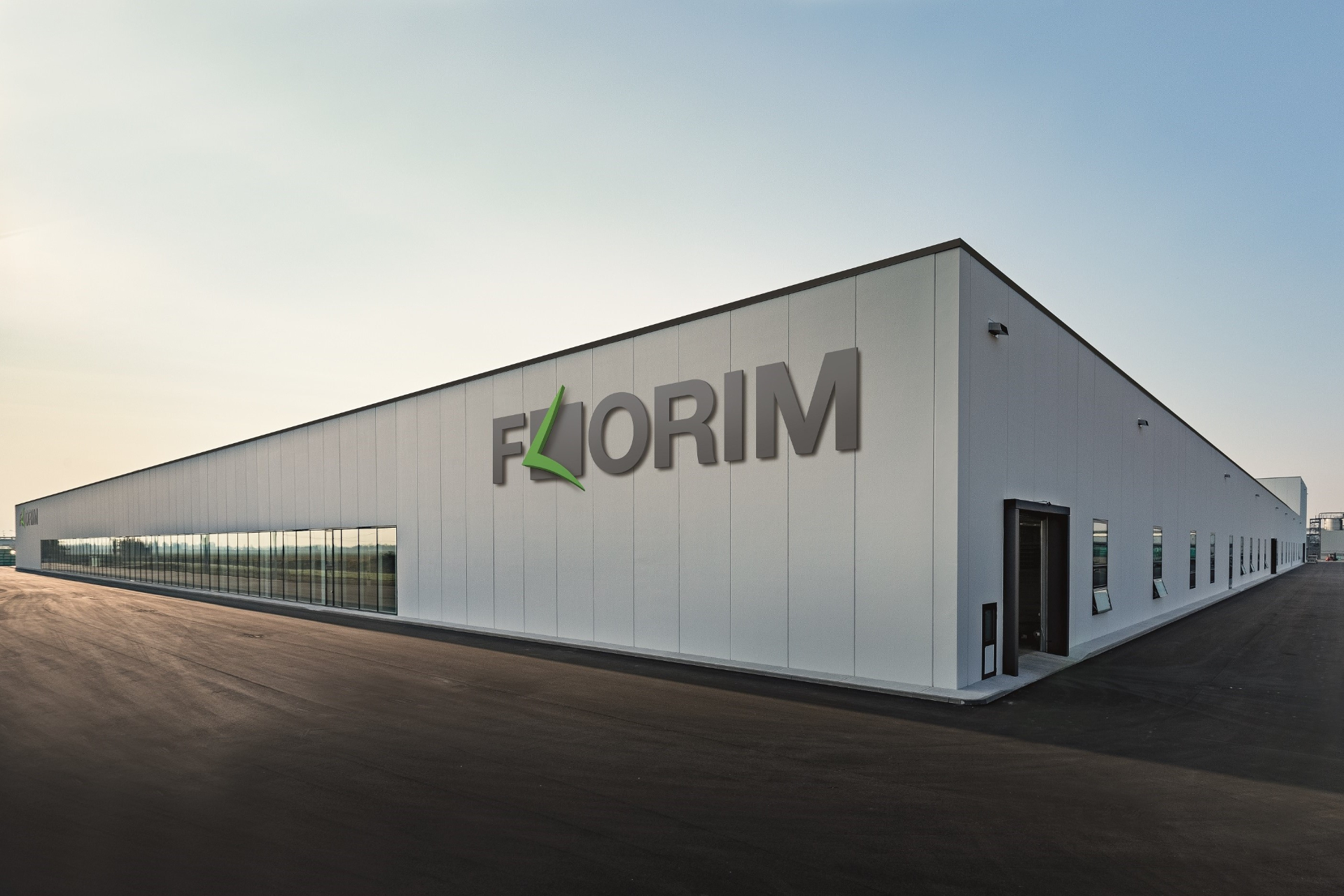
BBOX 2.0 monitors plants and logistics hubs of leading industrial companies. Representative installations include the Florim Ceramiche Factory 4.0 in Fiorano Modenese: over 48,000 highly automated m², monitored by 32 accelerometer sensors.
Protect the operational continuity of your plant
The MOSI team is available for tailored technical advice.
Request a consultationContinue reading
- How continuous structural monitoring works: SHM and post-event monitoring
- BBOX 2.0: sensors, datalogger and the consultation platform
- BBOX 2.0 installations on buildings, bridges and heritage sites
- Frequently asked questions on structural monitoring
- MOSI Srl: who we are and why we build monitoring systems
- Insights on regulation and the condition of the built environment